
Cat Ear Infection: Symptoms, Causes, Treatment, and When to See a Vet
Learn how to recognize cat ear infections, understand common causes, treatment options, and when your cat needs veterinary care.
9 min read
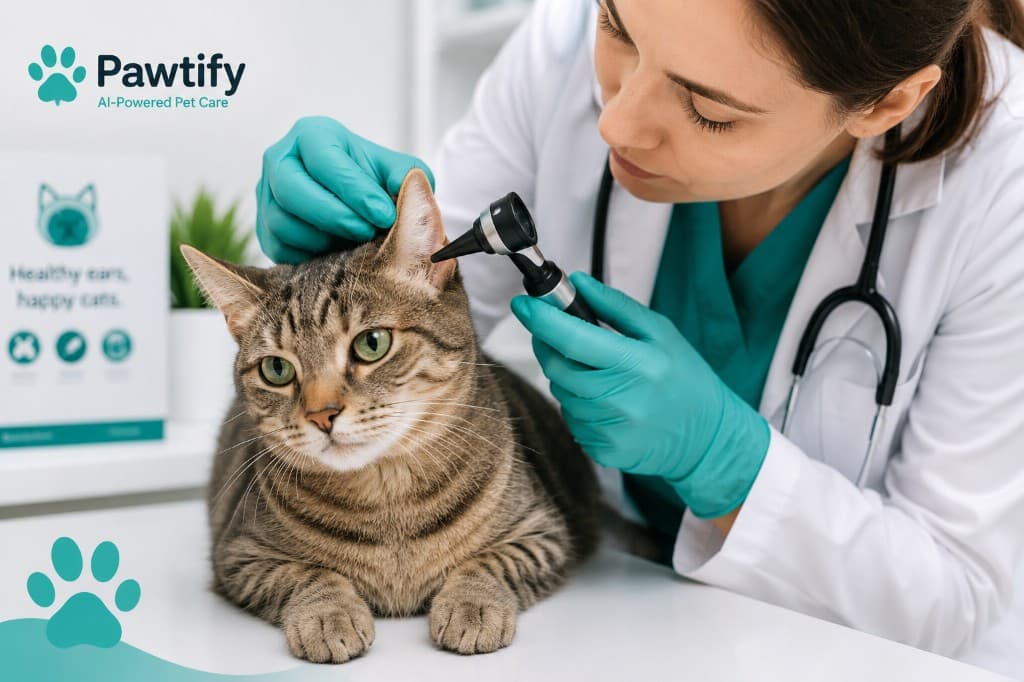
Ear infections are a common health issue in cats and can cause significant discomfort if left untreated. While some infections may start with mild irritation, they can progress to pain, hearing problems, and even deeper ear complications.
Understanding the signs of a cat ear infection can help you identify problems early and get your cat the care they need.
What Is a Cat Ear Infection?
A cat ear infection occurs when bacteria, yeast, parasites, or inflammation affect the ear canal. Most infections develop in the outer ear (otitis externa), but severe cases can spread deeper into the middle or inner ear.
Cats of any age can develop ear infections, although some cats may be more prone due to allergies, underlying health conditions, or ear mites.
Common Symptoms of a Cat Ear Infection
Cats often hide discomfort, so it's important to watch for subtle signs.
Common symptoms include:
- Frequent scratching around the ears
- Head shaking
- Redness inside the ear
- Swelling of the ear canal
- Dark brown, black, or yellow discharge
- Unpleasant odor from the ears
- Sensitivity when touching the ears
- Hair loss around the ears from scratching
- Tilting the head to one side
- Loss of balance in severe cases
If your cat suddenly becomes reluctant to have their head touched, an ear problem may be developing.
What Does a Healthy Cat Ear Look Like?
Healthy cat ears are usually:
- Light pink inside
- Clean and free of debris
- Odorless
- Not swollen or inflamed
If you notice discharge, redness, crusting, or a strong smell, it's worth investigating further.
Common Causes of Cat Ear Infections
1. Ear Mites
Ear mites are one of the most common causes of ear irritation in cats, especially kittens.
Signs include:
- Intense itching
- Frequent scratching
- Dark debris resembling coffee grounds
- Head shaking
Ear mites spread easily between pets and require treatment to eliminate.
2. Bacterial Infections
Bacteria can multiply inside the ear canal when the natural balance of the ear is disrupted.
Possible symptoms include:
- Redness
- Pain
- Swelling
- Yellow or green discharge
- Strong odor
Bacterial infections often require veterinary-prescribed medication.
3. Yeast Overgrowth
Yeast naturally exists on the skin, but excessive growth can lead to infection.
Common signs include:
- Brown discharge
- Persistent itching
- Musty smell
- Chronic ear irritation
4. Allergies
Food allergies and environmental allergies can cause inflammation that affects the ears.
Cats with allergies may also experience:
- Itchy skin
- Excessive grooming
- Skin redness
- Recurring ear problems
5. Foreign Objects
Grass seeds, dirt, or other debris can become trapped in the ear canal and trigger inflammation or infection.
6. Polyps or Growths
In some cases, benign growths or polyps inside the ear may contribute to chronic infections and irritation.
How Veterinarians Diagnose Ear Infections
A veterinarian may perform:
- Physical examination
- Ear canal inspection using an otoscope
- Microscopic examination of ear debris
- Testing for bacteria, yeast, or mites
- Allergy evaluation if infections recur frequently
Accurate diagnosis helps determine the most effective treatment.
Treatment Options for Cat Ear Infections
Treatment depends on the underlying cause.
Ear Cleaning
Veterinarians may clean the ear canal to remove debris and discharge.
Medications
Treatment may include:
- Ear mite treatments
- Antibiotic ear drops
- Antifungal medications
- Anti-inflammatory medications
Allergy Management
If allergies contribute to the infection, identifying and managing triggers may help prevent future problems.
Surgical Treatment
Rarely, severe chronic infections or polyps may require surgical intervention.
Can You Treat a Cat Ear Infection at Home?
It's generally not recommended to self-diagnose or treat ear infections without veterinary guidance.
Avoid:
- Using human ear drops
- Inserting cotton swabs deep into the ear canal
- Applying home remedies without professional advice
Incorrect treatment may worsen the condition or delay proper care.
When Should You See a Vet?
Schedule a veterinary visit if your cat experiences:
- Persistent scratching
- Ear discharge
- Bad odor from the ears
- Visible redness or swelling
- Signs of pain
- Head tilt
- Balance problems
- Recurring ear issues
Prompt treatment can prevent complications and improve your cat's comfort.
Can AI Help Detect Ear Problems Early?
AI-powered pet health tools can help owners monitor visible signs of ear problems and document changes over time.
For example, Pawtify allows pet owners to analyze photos, track symptoms, and monitor changes in their pet's health. While AI can provide educational insights, it should never replace a professional veterinary diagnosis, especially if symptoms worsen or persist.
Frequently Asked Questions
Are cat ear infections serious?
Many ear infections are treatable when caught early. However, untreated infections can spread deeper into the ear and cause more serious complications.
Can indoor cats get ear infections?
Yes. Even indoor cats can develop ear infections due to allergies, yeast overgrowth, bacteria, or ear mites.
How long does a cat ear infection last?
Treatment duration varies depending on the cause and severity. Some infections improve within a few weeks, while chronic conditions may require longer management.
Can ear mites cause ear infections?
Yes. Ear mites can irritate the ear canal, leading to inflammation and secondary bacterial or yeast infections.
Final Thoughts
Cat ear infections are common but should never be ignored. Early symptoms such as scratching, head shaking, redness, or discharge often indicate a problem that requires attention.
By monitoring your cat's ears regularly and seeking veterinary care when symptoms appear, you can help prevent complications and keep your cat comfortable and healthy.
Read: How AI Pet Health Scans Can Support Early Awareness
Ready to care smarter?
Download Pawtify to start scanning, tracking, and building better wellness habits for your pets.