
Dog Ear Infection: Symptoms, Causes, Treatment, and When to See a Vet
Learn how to recognize the symptoms of a dog ear infection, understand common causes, treatment options, and when it's time to visit a veterinarian.
10 min read
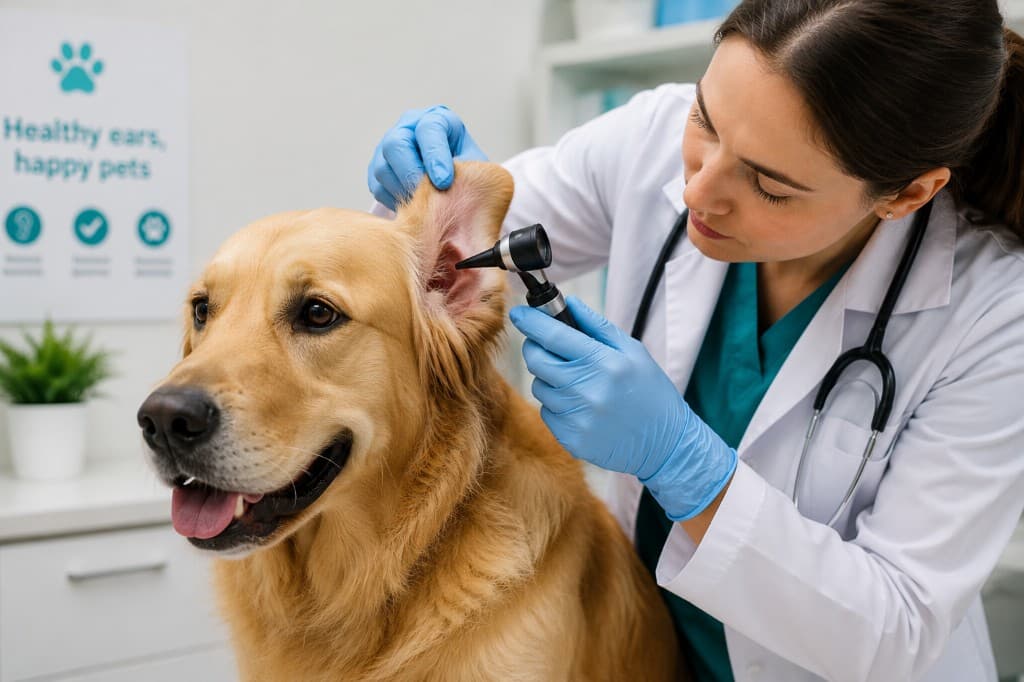
Ear infections are one of the most common reasons dogs visit the veterinarian. Although they can start as mild irritation, untreated ear infections may become painful and lead to hearing problems or deeper infections.
Knowing the warning signs can help you seek treatment early and keep your dog healthy and comfortable.
What Is a Dog Ear Infection?
A dog ear infection occurs when bacteria, yeast, parasites, or inflammation affect the ear canal. Most infections begin in the outer ear (otitis externa), but severe or untreated cases can spread to the middle or inner ear.
Dogs with floppy ears, allergies, or frequent swimming habits may be more likely to develop ear infections.
Symptoms of a Dog Ear Infection
A dog with an ear infection may show one or more of the following symptoms:
- Frequent head shaking
- Constant scratching at one or both ears
- Red or swollen ear canal
- Dark brown, yellow, or green ear discharge
- Unpleasant odor from the ear
- Pain when the ear is touched
- Whining or discomfort
- Crusting around the ear opening
- Loss of balance in severe cases
- Tilting the head to one side
If your dog suddenly becomes sensitive around the ears or starts shaking its head repeatedly, it's important to investigate the cause.
What Does a Healthy Dog Ear Look Like?
Healthy ears are typically:
- Light pink inside
- Clean and free of excessive wax
- Odorless
- Not swollen
- Comfortable when touched
Any redness, discharge, swelling, or foul smell may indicate an underlying problem.
Common Causes of Dog Ear Infections
1. Yeast Infections
Yeast naturally lives on your dog's skin, but excessive growth can lead to ear infections.
Signs include:
- Brown waxy discharge
- Strong odor
- Persistent itching
- Inflamed ears
2. Bacterial Infections
Bacteria often cause infections after irritation, allergies, or trapped moisture.
Symptoms may include:
- Yellow or green discharge
- Painful ears
- Swelling
- Redness
- Bad smell
Veterinary-prescribed antibiotics are often needed for bacterial infections.
3. Ear Mites
Although more common in cats, ear mites can also affect dogs, particularly puppies or dogs living with infected pets.
Common signs include:
- Intense scratching
- Dark debris resembling coffee grounds
- Head shaking
- Ear irritation
4. Allergies
Environmental and food allergies are among the most common underlying causes of recurring ear infections.
Allergic dogs may also experience:
- Itchy skin
- Paw licking
- Skin rashes
- Recurring ear inflammation
5. Moisture in the Ear
Dogs that swim frequently or are bathed often can retain moisture inside the ear canal, creating an environment where bacteria and yeast thrive.
Drying the ears properly after swimming may help reduce the risk.
6. Foreign Objects
Grass seeds, dirt, or plant material can become trapped in the ear canal, leading to irritation and secondary infection.
Which Dogs Are More Likely to Get Ear Infections?
Certain dogs have a higher risk, including:
- Dogs with floppy ears
- Dogs with allergies
- Dogs that swim regularly
- Dogs with excessive ear hair
- Dogs with chronic skin conditions
Breeds such as Cocker Spaniels, Basset Hounds, Labrador Retrievers, and Golden Retrievers are commonly affected due to ear structure or underlying allergy predisposition.
How Veterinarians Diagnose Ear Infections
Your veterinarian may perform:
- Physical examination
- Ear examination with an otoscope
- Microscopic evaluation of ear debris
- Testing for bacteria, yeast, or mites
- Culture and sensitivity testing for chronic infections
Identifying the underlying cause is important because different infections require different treatments.
Treatment Options
Treatment depends on the cause of the infection.
Ear Cleaning
Professional cleaning removes debris and allows medication to reach the affected area.
Prescription Ear Drops
Depending on the diagnosis, your veterinarian may prescribe:
- Antibiotics
- Antifungal medications
- Anti-inflammatory medications
- Combination ear medications
Allergy Management
If allergies are responsible, long-term allergy management can help reduce future ear infections.
Surgery
Severe chronic infections that permanently damage the ear canal may occasionally require surgical treatment.
Can You Treat a Dog Ear Infection at Home?
Home treatment should only be attempted after a veterinary diagnosis.
Avoid:
- Human ear drops
- Alcohol or hydrogen peroxide
- Cotton swabs inserted deep into the ear
- Essential oils or home remedies without veterinary advice
Incorrect treatment may worsen the infection or damage the ear.
When Should You See a Vet?
Contact your veterinarian if your dog has:
- Persistent head shaking
- Ear discharge
- Bad odor
- Painful ears
- Swelling
- Loss of balance
- Head tilt
- Recurrent ear infections
Prompt treatment can prevent complications and help your dog recover more quickly.
Can AI Help Monitor Ear Problems?
AI-powered pet health tools can help pet owners document visible ear changes, monitor symptoms over time, and determine whether a condition appears to be improving or worsening.
For example, Pawtify allows pet owners to analyze photos, track health observations, and organize their pet's medical history in one place. While AI can provide educational insights and support ongoing monitoring, it should never replace a professional veterinary examination or diagnosis.
Frequently Asked Questions
Are dog ear infections contagious?
Most ear infections themselves are not contagious. However, parasites such as ear mites can spread between animals.
Can a dog ear infection heal without treatment?
Some mild irritation may improve, but true ear infections usually require proper diagnosis and treatment. Delaying care can lead to chronic infections or damage to the ear.
Why does my dog's ear smell bad?
A foul odor often indicates yeast or bacterial overgrowth and should be evaluated by a veterinarian.
Can swimming cause ear infections?
Yes. Water trapped inside the ear canal creates a warm, moist environment where bacteria and yeast can grow.
Final Thoughts
Dog ear infections are common but should never be ignored. Symptoms such as head shaking, scratching, redness, discharge, or a foul odor are early signs that something may be wrong.
Regular ear checks, prompt veterinary care, and monitoring changes over time can help prevent complications and keep your dog healthy.
If you're ever unsure whether your dog's ears look normal, documenting changes with Pawtify can help you monitor symptoms and provide useful information to your veterinarian during an examination.
Read: Cat Ear Infection: Symptoms, Causes, Treatment, and When to See a Vet
Ready to care smarter?
Download Pawtify to start scanning, tracking, and building better wellness habits for your pets.